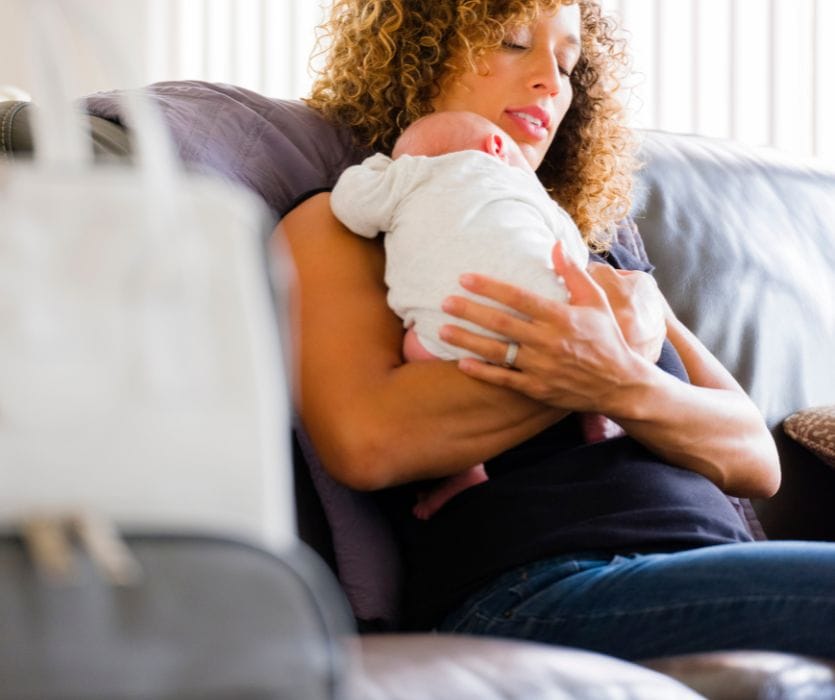
I’ll never forget the well-meaning coworker who showed up unannounced three days after I brought my firstborn home. She arrived with a cold, stayed for two hours, and expected me to make coffee. I spent the visit fighting back tears of exhaustion while she dominated the conversation with unsolicited advice.
That experience taught me everything about what NOT to do when visiting a newborn. After writing about pregnancy for over a decade and navigating two of my own newborn phases, I’ve learned that the difference between a welcome visit and a stressful one comes down to a few crucial principles.
The Golden Rule: It’s About Them, Not You
Visiting a baby is a privilege, not a right. New parents are navigating sleep deprivation, physical recovery, feeding challenges, and keeping a tiny human alive. Your excitement doesn’t automatically entitle you to a meet and greet.
Wait for the invitation. Never drop by unannounced – not to the hospital, not to their home, not even if you’re “just in the neighborhood” with muffins.
Try this approach: “I’m so excited to meet [baby’s name] whenever you’re ready! No rush at all – just let me know when visitors would be helpful rather than overwhelming.”
Even if you’ve scheduled a visit, text 30 minutes before you leave: “Still good for our 2 PM visit? And can I grab anything from Target on my way?” New parents exist in a timeless fog where scheduled visits can slip their minds, and that heads-up gives them a chance to reschedule guilt-free (or put a bra on).
Before You Visit: Health and Safety Non-Negotiables
Newborns have developing immune systems and haven’t received most vaccinations yet. Your first job is protecting that vulnerable baby.
Cancel your visit if you:
- Feel even slightly under the weather (scratchy throat, mild congestion, fatigue)
- Have been around sick people in the past week
- Had a cold or flu – wait at least one full week after recovery
I missed meeting my friend’s daughter by two weeks because I had a lingering cough. But that baby is now five, and I’ve been at every birthday party since. Short-term sacrifice, long-term relationship.
When you arrive:
- Wash your hands immediately with soap and water for 20 seconds – before anyone asks
- Skip the fragrance (no perfume, no scented lotions)
- Do not kiss the baby. Not on the face, not on the hands, nowhere. Even if you feel healthy, you can transmit viruses like RSV or HSV that cause serious illness in newborns. You can read more about it here.
Your Visit Game Plan
There’s a crucial difference between being a visitor and being a helper. A visitor requires entertainment. A helper reduces the workload. Here’s how to be the latter:
Bring Food, Not Flowers
The most helpful thing you can bring:
- Complete meals ready to heat and eat
- Freezer-friendly dishes
- Healthy snacks you can eat with one hand
- Restaurant gift cards or food delivery credits
Always check for dietary restrictions and ask what they’re craving. One friend told me she was desperate for fresh fruit. Another wanted nothing but carbs.
When You Arrive: Offer Specific Help
Don’t say “Let me know if you need anything!” Most exhausted parents won’t take you up on this.
Instead, try:
- “I’m at the grocery store, can I grab milk, diapers, or anything else?”
- “I’m bringing dinner Thursday. Chicken pasta or veggie stir-fry?”
- “If you want to take a long shower or have a nap, I’m completely comfortable here with the baby.”
- “I’d love to help out while I’m here. What would make the biggest difference? Dishes? Laundry? A grocery run?”
Hold the Baby Only If Offered
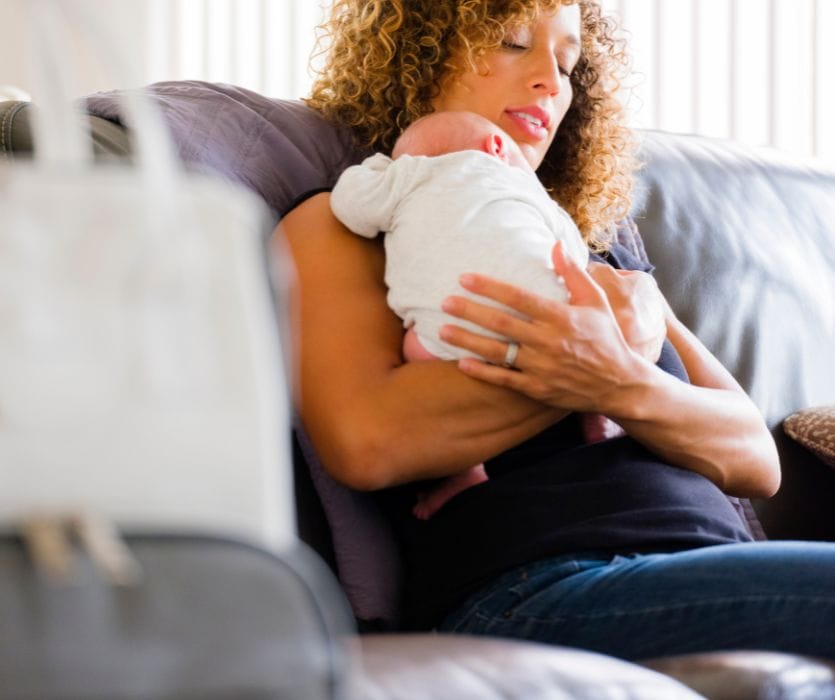
Never assume you can hold the baby. Wait until a parent offers. New parents are navigating intense bonding hormones, healing bodies, and anxiety about germs. They may not want to hand over their baby, and that’s their right.
If you are offered baby snuggles: wash your hands again, always support the head and neck, sit down, and hand them back if the baby starts to cry.
What to Talk About (And What to Avoid)
Don’t ask:
- “Are you breastfeeding?” → Feeding choices are deeply personal and often fraught.
- “Is the baby sleeping through the night yet?” → Newborns don’t sleep through the night; it’s developmentally normal.
- “Did you have a natural birth?” → Technically, I would argue that all birth is natural, plus, birth stories can be traumatic. Let parents decide if and when to share.
- “Don’t you just love being a mom?” → Not all parents bond immediately. Some experience postpartum depression.
Avoid commenting on:
- Her body (“You look so tired,” “When will you lose the baby weight?”)
- Her house (“Wow, it’s really messy in here!”)
- Her parenting (unsolicited advice, “In my day we did it this way…”)
Safe, supportive conversation starters instead:
- “The baby is absolutely beautiful. Those tiny fingers!”
- “How are you feeling? Really – no pressure to say ‘fine’ if you’re not.”
- “Tell me about [baby’s name]’s personality so far. Are they calm? Feisty?”
- “What’s been the biggest surprise so far?”
- “Do you feel like talking about the birth, or would you rather I catch you up on normal life stuff?”
The golden rule: Follow their lead. If they want to vent about cracked nipples and sleep deprivation, listen. If they want to talk about literally anything other than the baby, give them that gift.
Social Media Boundaries
NEVER post photos of someone else’s baby without explicit permission. This is the parents’ news to share on their timeline.
When to Leave (And Why Coming Back Matters More)
A good visit lasts 30 minutes to an hour – not three hours.
Signs it’s time to wrap up: parents start checking the time, mom looks uncomfortable, baby needs to eat or sleep, or the conversation naturally winds down.
Before you leave: “I don’t want to overstay. Would it be helpful for me to stay a bit longer, or is this a good stopping point?”
The 4-week follow-up: Here’s what most visitors don’t realize: By week four, the visitors stop, the meal train ends, and the reality of long-term sleep deprivation sets in. That’s when new parents need you most.
Set a reminder for four weeks after birth, then reach out: “Thinking of you! Can I bring over dinner this week?” This second visit means more than the first one.
The Real Secret
The visitors new parents remember fondly are the ones who made their lives easier, not harder. They showed up with food, respected boundaries, kept visits short, and returned during the harder weeks that followed.
Quick Recap:
DO:
- Wait for an invitation
- Confirm you’re healthy and vaccinated
- Wash your hands immediately
- Bring food or practical help
- Keep visits under an hour
- Follow up in a few weeks
DON’T:
- Visit if you’re even slightly sick
- Kiss the baby
- Drop by unannounced
- Post photos without permission
- Comment on her body, house, or parenting
- Overstay your welcome
Following these guidelines isn’t about walking on eggshells; it’s about recognizing that this tender postpartum period is unlike any other time in a family’s life. The new parents in your life are lucky to have someone who cares enough to get this right.
Now go be the visitor they actually want to see… just call first.