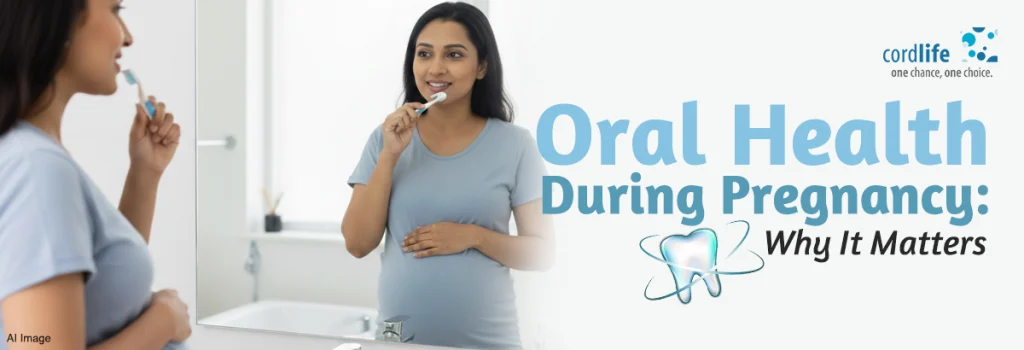
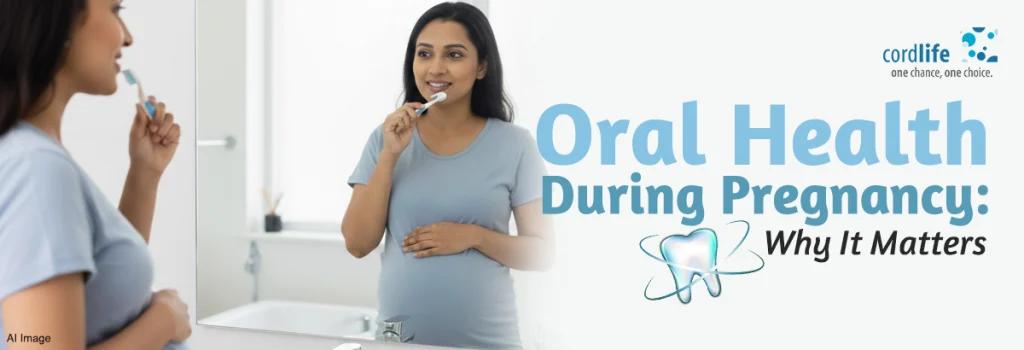
Maintaining oral health is a relatively simple process and is often taken lightly; it is, however, paradoxical that compromised oral health can affect a woman’s reproductive health, impact male fertility, and even affect the health of the pregnancy. Oral hygiene focuses on keeping all parts of the mouth like, the teeth, tongue, and gums, clean. This requirement is adequately met by brushing twice daily and flossing as often as possible. Sustaining oral health during pregnancy is crucial as hormonal changes in pregnant women increase the risk of gingivitis, which causes inflammation, bacteria transfer in the reproductive system, and even premature birth, low birth weight in the newborns, and preeclampsia or high blood pressure condition in pregnant women.
Effects of Oral Health on Male and Female Fertility and Pregnancy:
When it comes to the reproductive health of women, periodontal diseases can be as perilous as smoking. Untreated gum diseases and infections are often linked to infertility in women because they cause inflammation throughout the body, which in turn activates immune responses that interfere with the reproductive processes, including ovulation and embryo implantation in the uterus. Chronic periodontal diseases, namely Porphyromonas gingivalis, breed bacteria that enter the bloodstream, travel to the reproductive system, and create a hostile environment for conception. Poor pregnancy oral health can be detrimental to the chances of success with in vitro fertilisation (IVF) treatments.
Infections like abscesses or root canal issues prolong inflammation, leading to hormonal imbalances and temporary infertility in both men and women. In men, oral issues like gum disease and tooth decay are associated with lower sperm count, reduced sperm motility (movement), and even sperm DNA damage due to oxidative stress caused by the inflammation.
Risks of Neglected Oral Hygiene in Pregnancy
A Comprehensive dental check-up and treatment of any gum disease or cavities before planning pregnancy is indicative of conscientiousness in would-be parents. Women who take care of their oral health have better overall reproductive health when compared to those who neglect it.
Fluctuating hormone levels affect dental health in pregnancy, triggering gingivitis, the earliest stage of periodontal disease. The gums may become red, swollen, and prone to bleeding. Plaque deposits along the gum line proliferate harmful microbes that move towards the uterus through the bloodstream. The quick spread of bacteria leads to an inflammatory response in the mother’s body, causing premature birth and lower birth weights in newborns.
Expectant mothers with infected gums might suffer bone loss and loosening of teeth. Oral inflammation may lead to gestational diabetes, a sudden insulin resistance in the blood, and even preeclampsia, an extremely high blood pressure condition in the mother during pregnancy. This can be fatal for both the mother and baby.
Vomiting during the first trimester is caused by stomach acid that corrode teeth enamel. Rinsing with water, mouthwash or baking soda solution, and brushing with a soft-bristled toothbrush after at least thirty minutes prevent further damage.
Pregnancy tumours or pyogenic granulomas often pester expectant mothers. These are non-cancerous growths in the gums during pregnancy. These red, raw-looking bumps appear in plaque-infested areas and bleed easily. These tumours can be uncomfortable and interfere with eating, speaking, or regular tooth brushing. Most of these growths disappear on their own after birth.
Impact of Maternal Oral Health on Newborns:
A mother’s oral hygiene during pregnancy has long-term effects on her baby’s dental features. A baby’s teeth begin to develop at the age of three to six months. A nutritious and balanced diet maintained by an expectant mother can help the child develop healthy eating habits, thereby ensuring correctly formed, strong, and healthy teeth and gums. A mother’s oral hygiene is reflected in that of the child. If a mother has periodontal disease or cavities, the baby suffers from unrestrained oral bacteria, increasing the risk of tooth decay.
Ways to Maintain Maternal Oral Health
It is common knowledge that brushing for two minutes daily, regular flossing, using antimicrobial mouthwash, and rinsing with water after every snack or sugary drink help maintain overall oral health. The dental care during pregnancy is no different.
- Expectant mothers should schedule a dental checkup to rule out infections, cavities, or periodontal issues early in the first trimester.
- Any dental health concerns, like hardened tartar, must be promptly cleaned as they cause gum disease.
- Tailored treatment for bleeding gums is non-negotiable. Bleeding gums indicate inflammation and pose a risk to the mother and the baby.
- Vomiting due to morning sickness affects enamel. Rinsing with water or fluoride mouthwash after vomiting is mandatory.
- Use a soft-bristle brush to protect sensitive gum tissue. Flossing daily helps clean hidden plaque deposits.
- Maintaining a balanced diet supports the baby’s developing teeth and gums.
Conclusion
Oral health is critical for the overall well-being of both the mother and the growing baby. Prioritising dental care can lead to a wholesome birth experience while ensuring the future health of the baby.
The post Oral Health During Pregnancy: Why It Matters appeared first on Stem Cell Banking Guide and Pregnancy Tips For New Parents.